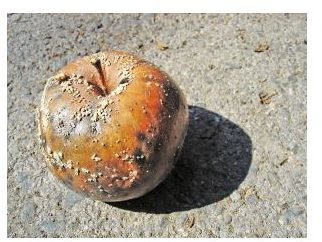
This simple yet effective science project uses different foods to explore how fast mold grows in moist environments. You will develop a hypothesis, chart the progress of your experiment and draw a conclusion. This interesting project is perfect for either a classroom presentation or science fair.
Getting Started
Mold grows on different foods at different rates. There are also different kinds of molds that certain pieces or types of food are prone to. Research mold and how it grows on foods that are moist versus foods that have been kept in a dry, cool place. This experiment will help you learn more about mold by watching it grow.
Materials:
- Five glass jars with tight lids – empty baby food jars will work well for this, but any glass jar will do.
- Piece of bread
- Apple
- Strawberry
- Boiled egg
- Hot dog
- Water
- Jar labels
- Notebook
- Pencils
- Optional: Camera
Procedure:
- Write a hypothesis in your notebook about what type of mold you expect will grow on each type of food. Also make a guess about how quickly the mold will begin to grow.
- Wet each piece of food and place it inside a jar. Each piece of food must have its own jar and must be completely sealed.
- Label the jars. Even though you can see through the jars in the beginning of the experiment, you may not be able to identify the food once it begins to mold!
- Check the jars every couple of days and record what is happening in each jar. Be sure to record the first time you see evidence of mold and what the mold looks like.
- Keep updating the notebooks every day with clear descriptions of how much more mold there is from the day before. If a camera is available, it helps to take pictures of the progression of mold, which you can then display at a fair or use in your classroom presentation. If you do not have a camera available to you, make sure your notes are as detailed as possible.
- Continue recording daily until the food has a significant amount of mold on it.
Final Thoughts on Your Presentation
Write out a conclusion in your notebook. The conclusion should explain whether your original hypothesis was correct or incorrect and why.
Use a reference book from the library or go online to find pictures of the different kinds of molds. Identify each mold that was found on each food. In your summary, include information on why certain molds grow on certain foods, and why some foods mold faster than others.
Use the notes from your journal to chart the progression of the mold on graph paper. If you took photos, the combination of the graph and the photos make a nice display for a science fair.