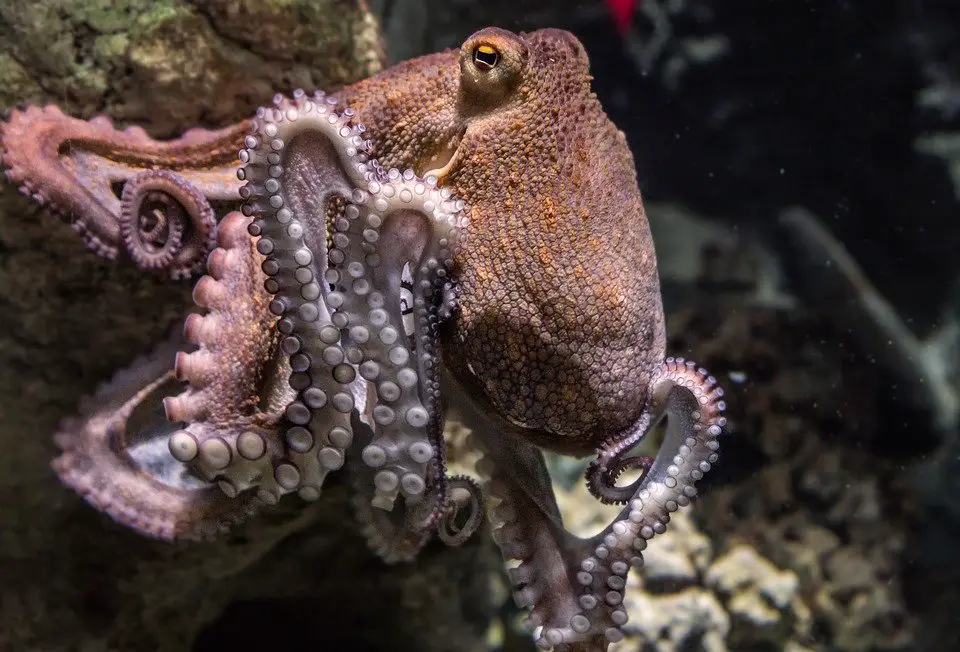
Teach your students about one of the characteristics of life, adaptation. Read on to see the examples and explanations that make it easy for biology students to understand the purpose of adaptation as well as understanding how life develops.
Prior Knowledge Needed
Before beginning this lesson plan on adaptations, growth and development be sure to review the contents of the series with your students (see links below). Students need to understand that the characteristics of life all have a function and reason for being before they move on to studying the specific characteristics.
This particular lesson plan gives students the opportunity to explore adaptations on their own so that they can develop a complete understanding of how adaptations work within specific species.
Adaptations, Growth and Development
Ask students to consider their own growth and development. If they were the same age they are now, but still had the same abilities that they had as an infant, how likely would it be that they survived until this point? Now ask them to consider life if the entire human race grew in that manner. Explain that humans do not only grow, but they develop as they grow. Ask them to consider the examples below.
Growth and Development
- The soft spot on our heads solidifies and protects us from the environment.
- Hormones develop so that we are able to procreate and guarantee the existence of the species.
- Muscles develop so that we are able to sit up, walk and move around.
- Our bones become stronger and more stable to better deal with the environment.
- Our teeth develop and grow so that we may take in suitable nourishment to sustain out growth and development.
Adaptations develop in different ways for different species. All organisms originate from a single cell organism and have simply adapted to the environment in different ways through a process called evolution. Each species has their own process of evolution.These adaptations are based on the resources that a species uses. The more they adapt, the more resources they able to use. As they evolve, organisms are classified through the scientific classification of living things that separate organisms based on certain specific criteria. Review some of the examples below to teach students about adaptation.
Adaptation
- Loss of excess hair in humans.
- Wings on birds.
- Sharp claws on hawks.
Evolution is a lengthy process of adaptations that changes as the environment changes and resources become either easier or more difficult to access. It is a means to ensure the survival of the species using methods that are demanded by the environment. Ask students if they can come up with their own examples of adaptations and evolution. After discussing their examples, move on to the next section in this lesson plan.
Activity
Ask students to pick and complete one of the activities below to demonstrate their understanding of adaptation, growth and development in a species.
- Pick a species. Research how this species has demonstrated adaptation to its environment. Research the environment this species is typically found in and describe how their adaptation was effected by the environment. Write an essay describing the adaptations of the species and if possible, how the environment may have changed in such a way as to force the species to adapt. This essay should include the earliest known version of this species and at least five ways that it has evolved to adapt to its environment.
- Research and write a paper that describes how the adaptations of one species may effect other species. For example, discuss how a particular virus may have adapted in response to the development of vaccines.
- Create a scenario that includes a drastic change in the environment. Describe how a particular species might adapt to that change and why they would adapt in that way. For instance, if there was another ice age, how might birds adapt to this new environment?
This post is part of the series: Characteristics of Life Series
The Characterisitcs of Life Series was created to assist Biology Teachers as they introduce and explain the characteristics of life to their students. Add this Biology Lesson Plan to your Biology curriculu, today.