World War II and the time that followed was the catalyst for some of the best literature of all time. In this middle school literature unit, combine history and literature to teach students about the turbulent 40s.
Turbulent 40s
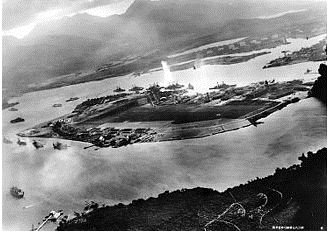
Early on a December morning in 1941 before most people on the west coast of the United State were awake, the history of our world
changed dramatically. With the bombing of Pearl Harbor, the Second World War became reality. Over the next two decades, as the world recovered from the horrors of almost five years of war, writers around the world penned some of the best literature ever written.
Unit Objective
The objectives for this unit are:
- Students will learn the key moments in history and how they informed the writing about the 40s.
- Students will explore various genre’s of literature about the 1940s.
- Students will analyze and discuss competently how the literature about this time reflects the history.
- Students will reflect on the stories they read in reflective journals.
- Students will prepare and present news report on the 1940s.
Book List
Providing a wide selection of material, both fiction and non-fiction, gives students the opportunity to scaffold their learning on their
own. Include books of various skill levels to challenge students to stretch their reading abilities.
Suggestions for books include:
- The Devil’s Arithmetic, by Jane Yolen - A fictional novel that combines history, fantasy and time travel to tell the story of Holocaust survivors_._
- Diary of a Young Girl by Anne Frank - The words of a young girl in hiding during the Holocaust.
- Return to Hiroshima by Betty Jean Lifton - This is non-fiction with pictures of the aftermath of the bombing.
- Silence over Dunkerque by John Tunis - Historical fiction that presents a true to life picture of the evacuation of Dunkerque.
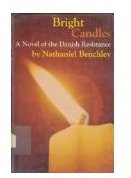
- Bright Candle by Nathaniel Benchley - This is a story of the Danish resistance.
- Number the Stars by Lois Lowry - The story of best friends, one Jewish, one Christian in occupied Denmark.
Unit Lesson
This unit will cover several weeks of study in which students will read novels, non-fiction and short stories; reflect in journals ; and
prepare a presentation newscast based on their readings.
Task One:
Assign a book for the class to read together during the course of the unit. Choose a book that most students will be able to read without difficulty. Students will have an opportunity to choose other readings on their own. Instruct students to read a chapter at a time, reflecting on what they read in their journals.
Journal entries should include concepts that are puzzling, words that are new and other ideas the student might have. Do not grade what is written in the journal; however, explain that writing in the journal will count for a percentage of the overall grade.
Task Two:
Divide students into groups of 2 or 3. Each group is a news team. Each team is responsible for presenting a newscast on one of the
books or stories they read during the unit. Students must decide on the book or story they will report upon during the first week of the unit lessons. The reports will last 10-15 minutes, must explain who, what, when, where, why and how of the story, compare and contrast it with the assigned book everyone has read. Each student must participate in the report.
They can be creative in doing this presentation. If they have the technology available, allow them to videotape, PowerPoint or use photographs in parts of their presentation.
Task Three:
Create a timeline of key events of the 1940s. Beneath each event, ask students to find stories written about these events. The timeline will remain up in class during the entire unit. Students can add to it throughout the unit.
Task Four:
Students present, “Decade in Review” newscast. Each group reports on the book they read, comparing and contrasting it with assigned book. Their report should only last 10-15 minutes.
Assessment
Have students peer-assess the presentations using this downloadable rubric that asks specific questions. In addition, students are graded on overall participation, the ability to complete the assignments and the presentation at the end of the unit. Students should be able to discuss how the history of the 1940s is conveyed in this literature unit.
References:
- Yale-New Haven Teachers Institute: World War II As Seen Through Children’s Literature. Laura Pringleton, 2011 - https://www.yale.edu/ynhti/curriculum/units/1997/2/97.02.03.x.html
- Some content from author’s own experience.
Resources:
- Teacher Vision: Popular World War II Literature Resources - https://www.teachervision.fen.com/world-war-2/literature/54820.html
- University of California Berkley: Post-WWII American Literature and Culture Database, F. Johnson & A. Newitz, - https://english.berkeley.edu/Postwar/default.html