The classic book, Owl Moon, is beautifully written and contains stunning illustrations. Not only that, it is a perfect book to use for mini lessons across the curriculum.
Writing mini lessons and Owl Moon go together perfectly.This classic book by Jane Yolen is a tale of a father and his young daughter who go owling on a silent wintry night. Use lessons in math, science, art and phonics or create your own!
Math Mini Lessons
Math Mini Lesson #1
Objectives:
1. Students will practice measuring lengths in feet and inches
Activity:
Students will be moving and learning when they measure the wingspan of these large birds. Use 12" rulers or pre-made feet to measure the length of these birds’ wingspans listed below. Lay the rulers or “feet” (see linked article) end-to-end to the proper length. Cut yarn or string the wingspan length of each bird. Use file cards to label each length of string with the corresponding bird. Display them on the floor or large table so that all students can get a visual perception of the wingspans.
Great Horned Owls wingspan of about 5 feet
Wandering Albatross-wing span of up to 11 feet
Bee Humingbird- 2.6 inches
American Robin- about one foot
Red-tailed Hawk- about 4 feet
Bald Eagle-about 8 feet
Math Mini Lesson #2
Objectives:
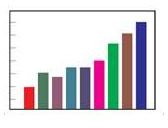
1. Students will gather information and transfer to a bar graph
2. Use the bar graph to answer questions
Activity:
Use the information above. Using graph paper, label each column with a kind of bird. Color one square for each foot of wingspan.
Questions:
Which bird has the longest wingspan? The shortest? What is the wingspan length of the Bald Eagle?
Phonics Mini Lessons
Rhyme Time
Objectives:
1. To brainstorm rhyming words for the word “moon”
2. To recognize that rhyming words do not always have the same ending letters
Activity:
Think of all the words that rhyme with moon? Notice the difference in spelling. Give students clues to the words they haven’t listed.
June-tune-spoon-soon-dune-raccoon-loon-balloon-croon-noon-prune-swoon-strewn-goon
cartoon-baboon-bassoon-tycoon-cocoon-monsoon-saloon-pontoon-platoon
OW sound
Objectives:
1. To brainstorm for words having the “ow” sound as heard in owl.
2. To recognize that not all words with “ow” have the ow sound as heard in owl.
Some “ow” words have a sound like a long o as in the word snow. Today we are looking/listening for words with the “ow” that sounds like ow in owl.
Activity:
Brainstorm words that fit in this category. Give hints for words that haven’t been guessed.
cow, plow, now, bow(bend), bow(front part of a boat) brow , pow, wow, vow, sow (adult female hog), allow, meow
Science/Art Mini Lesson
Is there such a thing as an owl moon?
Objectives:
1. To recognize that every full moon was given a name for a reason
2. To create a landscape picture with a full moon of the student’s birth month
There is a full moon about every 29 days. The Native Americans of the northern and eastern part of North America kept track of the seasons and gave a name to each full moon. According to the Farmers Almanac, these are the names:
January-Wolf Moon; February-Snow Moon; March-Worm Moon; April-Pink Moon; May-Flower Moon; June-Strawberry Moon; July-Buck Moon; August-Sturgeon Moon; September-Corn Moon; October- Harvest Moon; November-Beaver Moon; December-Cold Moon.
Activity:
Instruct your students to choose the moon of the month they were born. Draw a full moon in a landscape scene that relates to the name of the full moon for that month. For example: The harvest moon would be illustrated in a landscape of fields being harvested.Write a sentence or two describing why the moon has that name.
Here’s is the link for information https://www.farmersalmanac.com/full-moon-names/
There’s so much to offer in the book Owl Moon. That’s why writing mini lessons and Owl Moon go well together. Try creating some mini lessons of your own!
This post is part of the series: Owl Moon by Jane Yolen
Owl Moon, a Caldecott winner, can be used with children young and old. The young ones will enjoy the adventure of a child and her father as they search for an owl on a quiet winter night. The older children will learn the variety of literary devices used in the text of the book.


