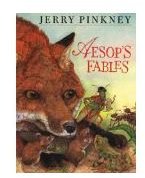
Young children love learning about fables. These stories involve clever characters and provide a simple way to understand a greater truth. Use fables to discuss consequences of an action, the difference between fiction and nonfiction, and a model for students to write their own story.
Objectives
In this lesson students will:
- Recognize the difference between fiction and non fiction
- Recognize the characteristics of a fable
- Follow instructions and respond to routine questions and directions
- Experiment with writing their own fables with help from the teacher and classmates
- Retell a story in sequence
Getting Started
Gather the class together and tell them that you are going to talk about fables. Share with them at least one fable . Then ask them what
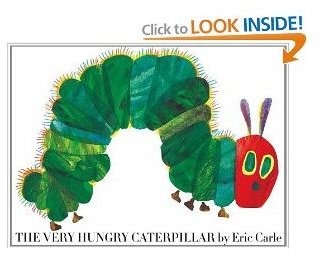
they think is the difference between a story such as The Very Hungry Caterpillar, by Eric Carle and the story they have just heard. On a chart make a list of the characteristics of a fable: short story, usually animals acting and speaking as people, teaching a lesson.
Ask them to give examples of something that is fiction (a fairytale, animals talking, etc) and something that is nonfiction (an article and picture from one of the Eyewitness Books, DK Publishing). Now ask the students to tell whether the fables are fiction or nonfiction.
Aesop is the author of many fables. You may wish to tell your students that he lived many years ago (during the sixth century BC) and that it is widely believed that he was a slave on the island of Samos. It is also believed that he was ugly and deformed.
Activities for The Hare and the Tortoise
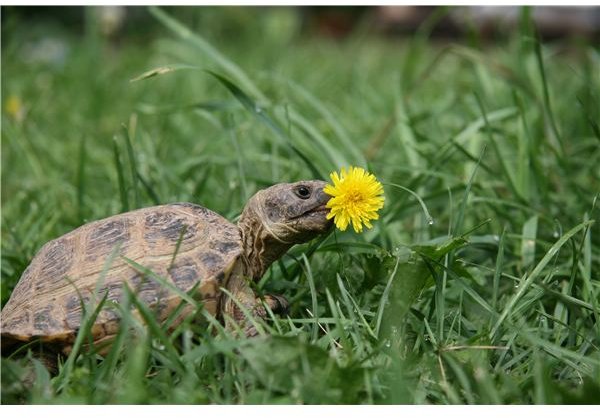
Share The Hare and the Tortoise Fable. Establish the moral (lesson learned) from the story. Is it fiction or non fiction? Why?
Then stage a “race” with children in pairs acting out the story. Ask what did the character of the hare learn at the end of the race? What did the character of the tortoise learn?
Distribute large sheets of paper and invite the students to illustrate the fable. Suggest that they may like to do it in filmstrip format. Show them how to fold their paper into sections so that they may depict a different scene in each one. This is an excellent sequencing activitiy. Then ask them to turn over their papers and illustrate the same story, but this time use two different characters e.g. a snail and an ant. Their choices will demonstrate how well they understand that slow and steady wins the race.
Creating a Fable
After sharing several more fables make a list of all the lessons learned, e.g. The Lion and the Mouse - little friends can be great friends, and size does not matter; or The Fox and the Grapes - if I can’t have it then it’s not worth having. Choose a lesson from the list and ask the students to suggest characters to use in the fable. Cooperatively build a story on a chart or the whiteboard. Provide paper and invite students to illustrate this “new” fable that you have created together.
Using this as a model encourages students to make up their own fables and illustrate them. These could be bound into a class book to be enjoyed in the library corner.
Assessment
This lesson plan addresses most of Bloom’s Taxonomy and Critical Thinking Skills:
- Knowledge - recalling the details of the fable
- Comprehension - understanding that each fable teaches a life lesson
- Application - use and practice the model developed cooperatively
- Synthesis - creating own fables
- Evaluation - appraisal of student comprehension and completion of activities.
References
Author’s own classroom experiences


