Have you tried the macrologue and micrologue when teaching ESL learners? It’s high time to try these highly effective teaching methodologies in class to improve childhood language acquisition test scores.
What’s the Secret of Teaching ESL?
ESL students become frustrated when they don’t understand what you teach and as a result, they get unmotivated. Being their teacher, your ultimate challenge is to find your students’ individual learning style to implement the lesson successfully.
The key to teaching ESL students is to teach them language skills (listening , speaking, reading, writing) without bringing it to the forefront of the lesson. These skills should be taught in a stress-free way by incorporating them with various language activities such as playing games, watching videos, and using music.
The macrologue and micrologue methods are highly effective methods to use in class. They are fun and easy to apply. This article will discuss these methods and a few general pointers on how to use them. When properly applied, they will greatly improve childhood language acquisition test scores. Read on and have fun in your class!
The Macrologue Method
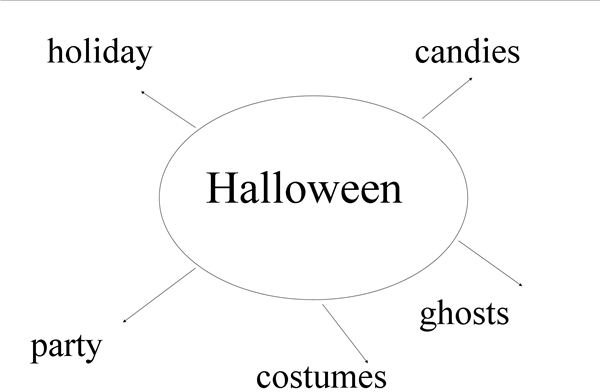
Macrologue refers to the process of elaborating on a topic as well as the process of expanding on a topic (Foundation TESOL Course Manual, 2004). This method develops students’ oral fluency by being able to think of words associated to the topic you will assign. It also develops students’ listening skill as they will listen carefully to other students’ responses. Furthermore, students’ writing skill will also be developed as they will write words relevant to the topic assigned.
The Must-Try Lesson
Objective:
To develop students’ listening, speaking, reading, and writing skills.
Procedure:
1. Think of a noun that your students will be able to break down into smaller components of the whole.
2. Ask students to group their answers into these categories:
a. Physical: How does the person/place/thing look like?
b. Relative: What are the words associated with it?
Micrologue Method
A micrologue is a short summary of events (micro = short; logue = story). It is an organized conversation-based method which allows the learners to talk about an event (this can be a past, present, or future event). In this method, the students are asked to summarize an event in class and allow them to listen to other students’ responses and eventually write down the story.
The Must-Try Lesson
Objective:
To develop written and oral fluency by logically summarizing events in the past, present, future.
Procedure:
1. Choose a topic that students will enjoy talking about. Make sure these topics are related to their personal lives so that they can easily relate.
2. Choose your micrologue strategy for the day:
a. orally share a micrologue in class
b. write a micrologue
c. write a micrologue and read it in front of the class
Example:
The Halloween Party I’ve Attended
Yesterday, I attended a Halloween party in school. It was really fun. My classmates and I wore costumes. I came to school
wearing Batman’s cape and mask. Everyone was surprised to see my bleeding hands. I made fake blood using ketchup. It
was really fun!
Resource: Foundation TESOL Course Manual, 2004