Talking about vacation is usually an exciting topic. Use this topic in your classes as an upper intermediate ESL conversation lesson. This topic will encourage the use of time expressions.
Future Time Expressions
We talk a lot about future events on a daily basis; what we are planning to do, after school or work, for the weekend, next year and in many other cases. Television programs tell you what to expect about the weather, about premières of new programs, about continuations and discontinuations of programs.
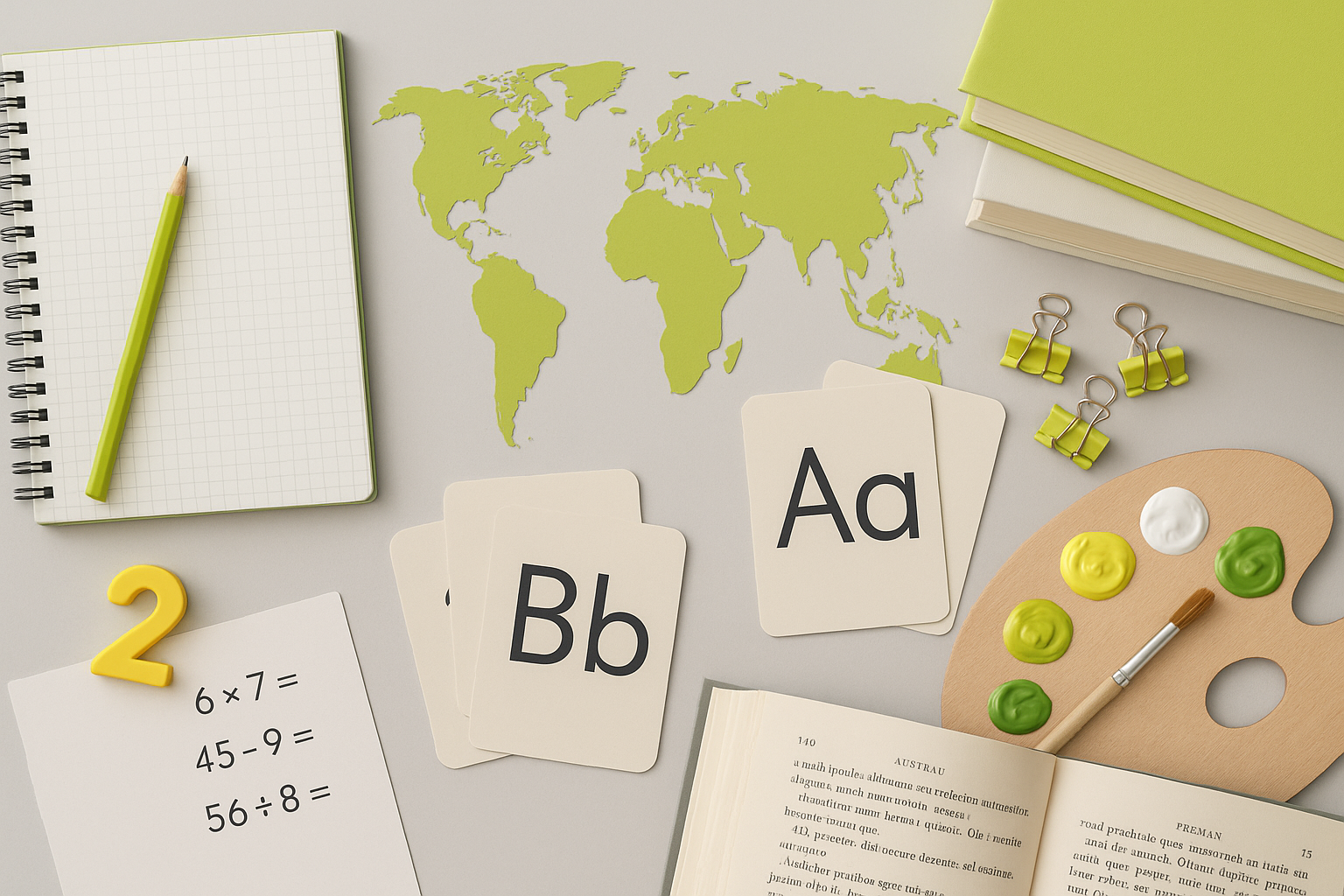
Use a world map, travel brochures and clippings of advertisements of holiday vacations to get students excited and talking about planning vacations. Let them know that there are many words and expressions, which express time in English. This topic will teach them how to express future time.
Conversation for Role Play
A. Are you going on vacation to Spain next year?
B. Yes, I plan to visit Spain for about five weeks. I will stay in Toledo.
A. Will anyone be accompanying you?
B. The last time I visited, I went with my mother. This time both my father and mother will accompany me.
A. What will you do during your trip?
B. Since we all love art, we shall visit the art galleries during the first week.
A. Do you know what the weather will be like?
B. Yes, the weather is very beautiful at this time of the year. It will be cool, but not cold.
A. Do you plan to live in Spain?
B. Yes, I am definitely going to live there after my studies.
A. Will you know how to speak Spanish well before leaving?
B. Yes, I am studying Spanish, and these trips will help me to improve.
A. Do you think you will be fluent?
B. Yes, I think I shall achieve a certain degree of fluency.
A. Are you going to visit many cities?
B. Yes, and we shall also be in France for a few days.
A. Will you travel to France by plane or train?
B. We shall go across the border by car.
A. Have a great trip. Have fun.
B. Thanks. I shall see you when I return.
Exercises With the Present and Future Tense
This is just an example of conversations you can create. Students can interchange nouns and place names as they wish. They gain experience in using the forms of will and shall, be going to and the present progressive tense.
In addition to role play, students can identify the various expressions of time and use them in other topics and in other forms of written and oral communication.
Students can also do fill in the blank exercises using the correct form of the future tense, and using the present tense versus the future tense. Here are two fill in the blank exercises.
Exercise 1.
Insert the correct form of the future tense of the verb in brackets.
1. I ….. work tomorrow (start)
2.Those kids ….grow up soon (grow)
3.Goodbye. I hope that I …..see you next year.(see))
4.When … you…..to pay your bill? (go)
5.It .. ….. to rain soon.(go)
6.What … you ….. tomorrow (do)
Answers: 1.shall 2.will 3.shall 4.are… going 5. is going 6. are…doing.
Exercise 2.
Insert present tense or future tense as is necessary.
- I ……..work tomorrow (start).I shall be working for three weeks.
- He …. to travel there next year (plan)
- We …….going on picnics by that lake. (love)
- The store………soon.(close)
- Anna and James…………married on June 4th next year.(get)
- He does not……..getting his feet wet.(like)
Answers:
1. start (the present representing the future tense) or shall start .
2. plans (present tense) or is planning
3. love (present tense)
4. will close or is closing (present progressive representing the future tense.)
5. are getting (present progressive representing the future tense) or will be
getting
6. like (present tense)
Summary
There are many opportunities the teacher can create for a better understanding of this important tense.In the upper intermediate ESL conversation lesson, adults learn to identify how and when to use future time and how to use future time verbs.