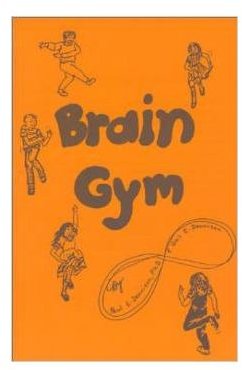
Brain Gym Technique: Cognition, Focus and Coordination
The Brain Gym technique includes 26 movements that are used to stimulate a person’s cognition, increase their focus, fine tune coordination, …
Continue ReadingShowing guides and explainers filed under Teaching Students With Learning Disabilities.
The Brain Gym technique includes 26 movements that are used to stimulate a person’s cognition, increase their focus, fine tune coordination, …
Continue Reading
Students with dyslexia learn best when taught using a multi-sensory approach that incorporates visual, auditory, kinesthetic and tactile learning to …
Continue ReadingHelp your students overcome learning disabilities in fun, interactive ways. These ideas help you make your own games to teach math concepts to …
Continue ReadingHeard about Wordshark and want to know more? Read on to learn more about this computer software that is very useful for children with Dyslexia.
Continue Reading
Do you struggle with teaching children with dyslexia? Try this multi-sensory learning approach. Read on to learn more about why it works and how you …
Continue ReadingMany students who have dyslexia learn by seeing. Read on to learn some strategies that can work for the visual learner who is affected by dyslexia. …
Continue ReadingThe Brain Gym is a program using kinesiology to teach. Experts say children, especially those with special needs such as dyslexia, can learn better …
Continue ReadingMore than ever teachers across learning environments are working with special populations, specifically the 13 types of specific learning …
Continue Reading
Necessary skills for functioning daily, include the ability to care for ones self, communication skills, and social skills. Professionals often assess …
Continue ReadingHere is a collection of ideas for activities and materials that you can use while working with older children suffering from cognitive disabilities. …
Continue Reading